
The Two OCSDs of Occidental, and Why Neither One Means You're Connected
August 13, 2026
August 13, 2026
Ask about utilities on an Occidental listing and you'll get a clean answer: well and septic, or public water and sewer. Ask which OCSD actually serves the parcel, and the question gets more interesting, because Occidental has two agencies that go by those same four letters, and falling inside one district's boundary tells you nothing about the other.
That distinction sounds like trivia. It isn't. It's the difference between a house that's genuinely connected to public systems and one that's inside a service area on a map but still running on a private well and a leach field, with a mortgage lender who cares very much which one it is.
The first OCSD is the Occidental Community Services District, formed in the mid-1960s to handle domestic water, fire protection, and street lighting for the unincorporated town. It covers 25 square miles centered on Occidental and serves an estimated 5,000 residents. Its elected board meets the second Tuesday of each month, with agendas posted at the firehouse and the local hardware store.
The second is the Occidental County Sanitation District, a wastewater agency operated by Sonoma Water, not the community services board. This is the one that decides whether a given lot has access to public sewer at all, and right now, most of Occidental doesn't. The district currently hauls wastewater from a lift station in town to the Airport/Larkfield/Wikiup treatment plant in north Santa Rosa, and its rates are among the highest in California, a cost the district attributes directly to running a small wastewater system under strict treatment rules.
In May 2025, the sanitation district secured a $1.45 million EPA grant, credited to Senator Alex Padilla's office, to design a pipeline that would send Occidental's wastewater to Graton for treatment instead. Design work and environmental review are expected to wrap by December 2026, after which the district plans to seek State Revolving Fund financing for construction. That timeline matters for anyone evaluating a purchase this year: the pipeline is still on paper. For the foreseeable future, if a house in Occidental isn't already tied into existing sewer infrastructure, septic is the only option, not a temporary one.
So when a listing says "public water available," check which district it means. Community water service and public sewer are not the same commitment, and neither one is guaranteed just because the address sits inside town limits.
Buyers tend to treat "well" as a yes or no category. Lenders treat it as a number. FHA and VA loans require documented proof that a well produces at least 3 to 5 gallons per minute, along with water quality results meeting EPA standards. A well that tests below that threshold doesn't just lower the home's appeal. It can remove financed buyers from the pool entirely and leave the seller negotiating with cash offers only.
This is why so many Occidental listings go out of their way to describe well performance in the marketing copy itself, language along the lines of a well producing a strong rate for the area. That phrasing exists because agents already know what buyers eventually find out during underwriting: the flow test, not the presence of a well, is what determines financeability.
Here's what that testing typically runs, based on current California pricing:
| Test or service | Typical cost |
|---|---|
| Well inspection (flow and equipment) | $300 to $600 |
| Full water quality panel (nitrates, arsenic, bacteria) | $150 to $400 |
| Septic system inspection | $300 to $900 |
| Full septic replacement, local estimates | $10,000 to $20,000 or more |
None of this is optional due diligence. It's the difference between a loan that closes on schedule and one that stalls in contingency while a buyer scrambles for a cash alternative.
Permit Sonoma, the county division that issues well and septic permits, describes its own jurisdiction's soils as notoriously poor for septic systems. That's not marketing language from a competing brokerage. It's the county's own assessment of the ground its inspectors work on every day, and it's the reason septic in Occidental carries more weight than the same phrase would in a flatter part of the county with better percolation.
Poor soil is also why some Occidental parcels run non-standard or supplemental treatment systems rather than a conventional tank and drain field, and those systems come with an ongoing regulatory relationship most buyers never anticipate.
If a property has a non-standard septic system, Permit Sonoma's Operational Permit and Monitoring program requires a notarized easement recorded against the property, granting the county the right to enter and inspect. The owner is then responsible for self-monitoring the system every March and October, submitting results to the county. Renewal notices go out every May, with fees due by June 30, and late payment triggers penalties.
A buyer who inherits one of these systems inherits the calendar too. It's worth asking during escrow whether a property's septic falls under this program, because that answer changes what ownership actually looks like after closing, not just what it costs to fix a problem.
On the disclosure side, California law requires every seller of a 1 to 4 unit residential property to complete a Transfer Disclosure Statement under Civil Code Section 1102, and in practice that pairs with a separate Septic, Well, and Propane Tank Questionnaire covering system age, maintenance history, and known defects. Getting the "public sewer" versus "septic" checkbox wrong on these forms isn't a clerical issue. It's the kind of mistake that generates real disputes after close, which is one more reason to confirm the actual service status with the district itself rather than relying on what a previous disclosure or an old MLS entry says.
Occidental's home values are hard to pin to one number because so few homes trade in a given month. In June 2026, the median list price stood at $1.33 million, with listings moving in a median of 24 days, a steep drop from the year before. A market that small can swing hundreds of thousands of dollars in either direction depending on which two or three houses happened to close, which means the median itself isn't a fact to lean on so much as a snapshot of a very short list.
What doesn't swing month to month is the cost structure underneath the price tag. A private water and wastewater system that a buyer now owns and maintains, in soil the county itself flags as difficult, sometimes with a recorded monitoring obligation attached, is a fixed feature of owning here, not a market condition that resets with the next quarter.
That's the real thesis. In most of Sonoma County, "well and septic" is a feature to note and move past. In Occidental, it's closer to a second transaction running underneath the first one, with its own inspection costs, its own financing thresholds, and in some cases its own paperwork schedule that doesn't end at closing.
Is a low well flow rate a deal breaker? Not always, but it narrows financing. A property below the FHA/VA threshold of 3 to 5 gallons per minute may still sell to a cash buyer or one using a conventional loan without that specific requirement, just to a smaller pool.
Does the Graton sewer pipeline project mean Occidental will be off septic soon? No. As of August 2026, the project is still in design, with completion targeted for December 2026, and construction funding hasn't been secured. Septic remains the default for most of the town for the foreseeable future.
Who do I ask if a property is under the county's septic monitoring program? Permit Sonoma's Well and Septic Division maintains the Operational Permit and Monitoring program records by parcel, and pulling that history before writing an offer is a reasonable ask through your agent.
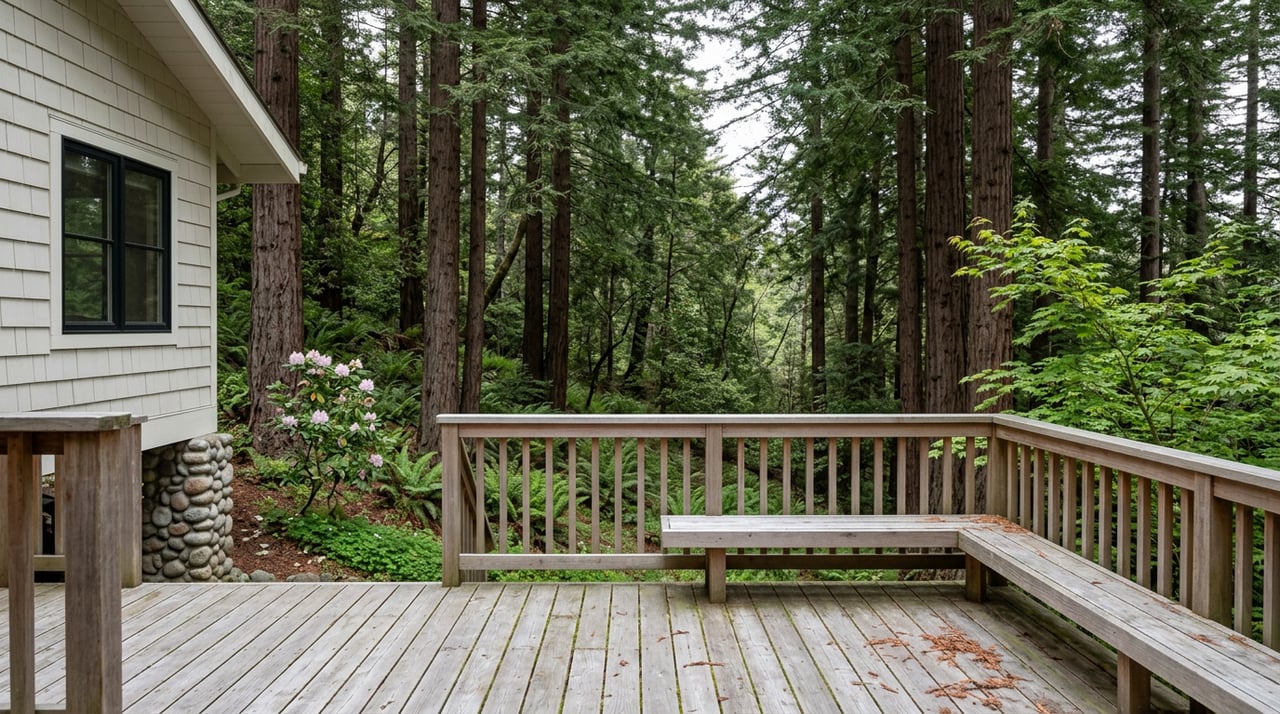
Occidental rewards buyers who look past the porch and the redwoods long enough to ask a few unglamorous questions. If you're weighing a purchase or a listing here and want someone who already knows which agency to call, Alexander Goodman is happy to walk through it with you. Let's connect.
Stay up to date on the latest real estate trends.
Experience a client-focused approach backed by local knowledge, honest communication, and dedication to your success.