Sonoma Wine Country Living: What Daily Life Feels Like
July 16, 2026
July 16, 2026
What does day-to-day life in Sonoma actually feel like once you look past the postcard image of Wine Country? If you are thinking about living here, that question matters just as much as home prices or square footage. Sonoma blends historic downtown energy, outdoor access, and distinct residential pockets in a way that can feel both lively and grounded. Let’s dive in.
In Sonoma, the Plaza is more than a landmark. It is the daily center of town life, with an eight-acre park laid out in 1835 and recognized as a National Historic Landmark. City Hall sits in the middle, and the space includes lawns, duck ponds, fountains, a rose garden, playgrounds, and public restrooms.
That setup gives downtown a very usable, everyday feel. You can picture morning walks, quick errands, casual meetups, and time outside without needing a big plan. It is one of the clearest examples of how Sonoma blends local routines with a steady visitor presence.
The seasonal Tuesday Night Market adds another layer to that rhythm. According to the City, it draws thousands of people to shop, dine, and connect with local farmers, artisans, and businesses. For residents, that means certain days can feel especially social and active around the Plaza.
Sonoma’s downtown does not read like a large commercial strip. The City describes Broadway as the main roadway leading to the historic Plaza and notes that it is home to many businesses and community destinations. In practical terms, everyday activity tends to flow along a few familiar corridors.
That concentrated layout helps make the area feel easier to learn over time. Instead of a broad, auto-oriented pattern, Sonoma’s core feels more compact and organized around a historic center. If you value a town where daily destinations are clustered, that is a meaningful part of the appeal.
Parking is managed to support that pattern. The City provides two free public lots near the Plaza, and street parking in the Plaza area is free but generally limited to three hours Monday through Saturday, with no time limits on Sundays. That approach helps keep turnover moving while still making downtown accessible.
Sonoma’s outdoor lifestyle is not limited to weekend plans. The City highlights almost 80 acres of parks, along with open space, trails, and an extensive bicycle network. That gives you options for movement, fresh air, and casual recreation throughout the week.
One standout example is the Sonoma Overlook Trail. It sits just a few blocks north of Sonoma Plaza and offers views of Sonoma Valley and the San Francisco Bay. Because it is open year-round during daylight hours, it fits naturally into a regular routine.
Sonoma Garden Park offers a different kind of outdoor experience. This six-acre community agricultural park includes walking paths, garden plots, picnic areas, low-water and pollinator plantings, and educational programming. It reflects a quieter, more hands-on side of Sonoma living.
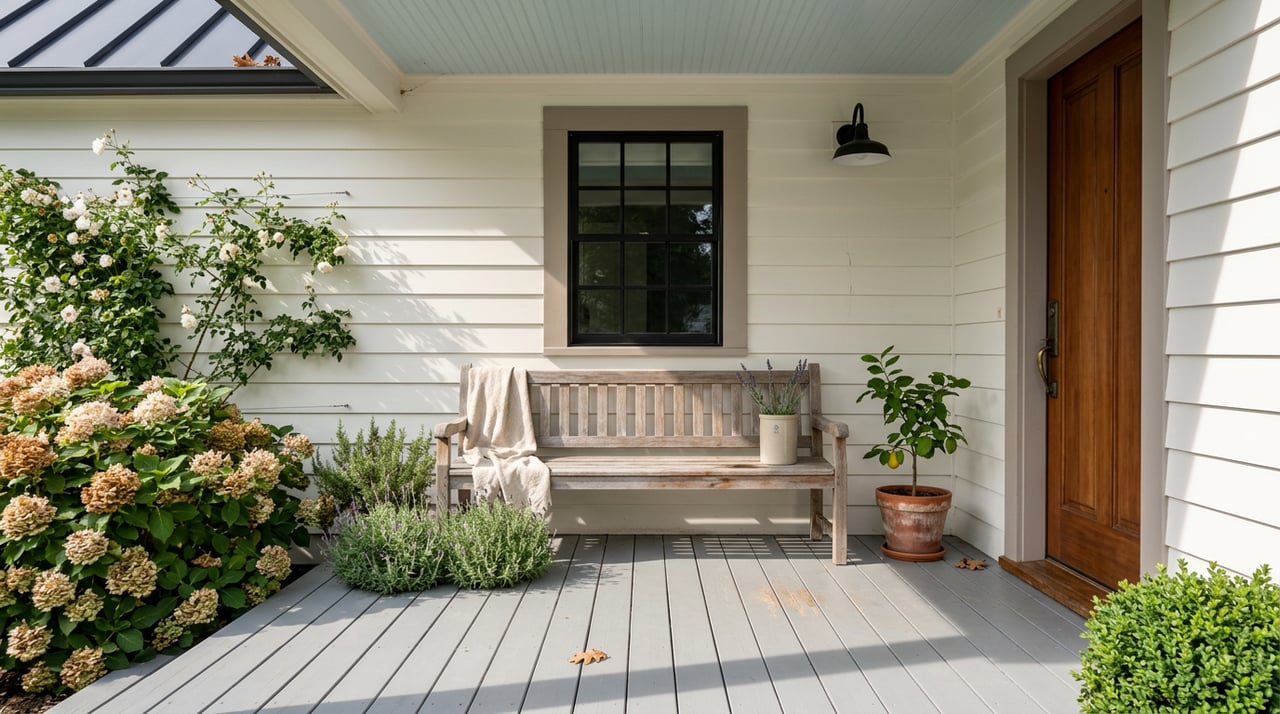
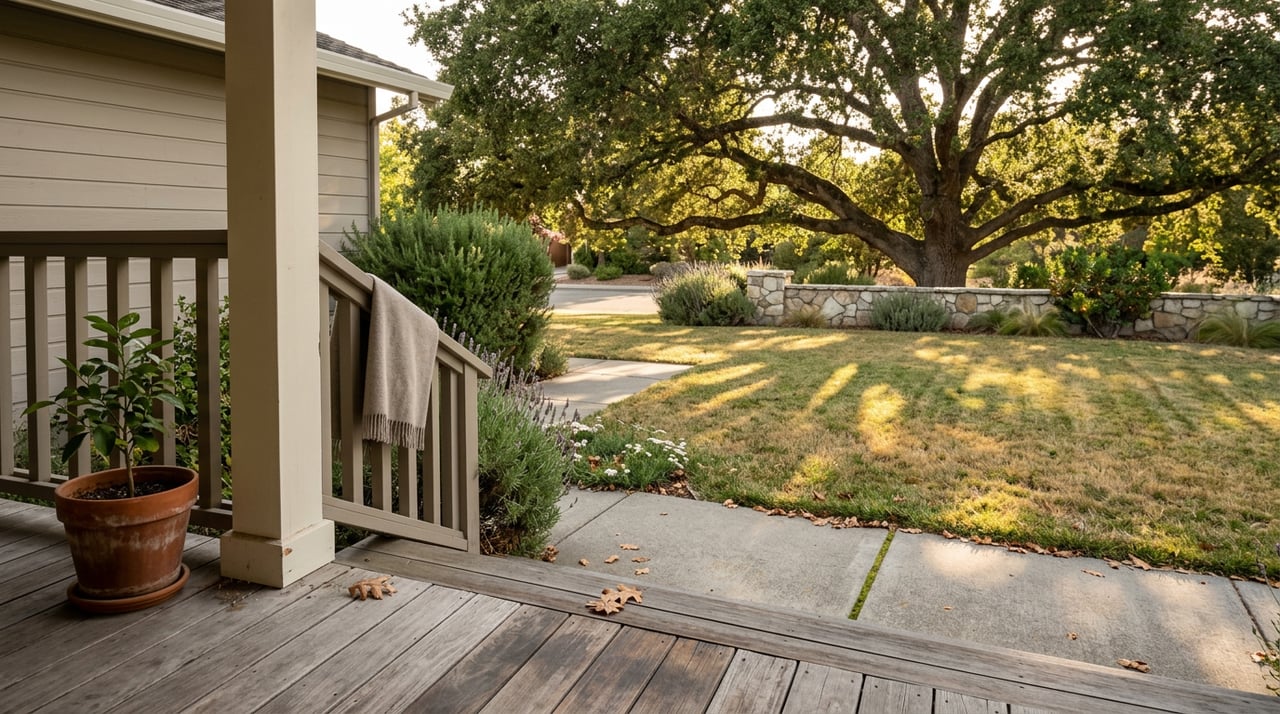
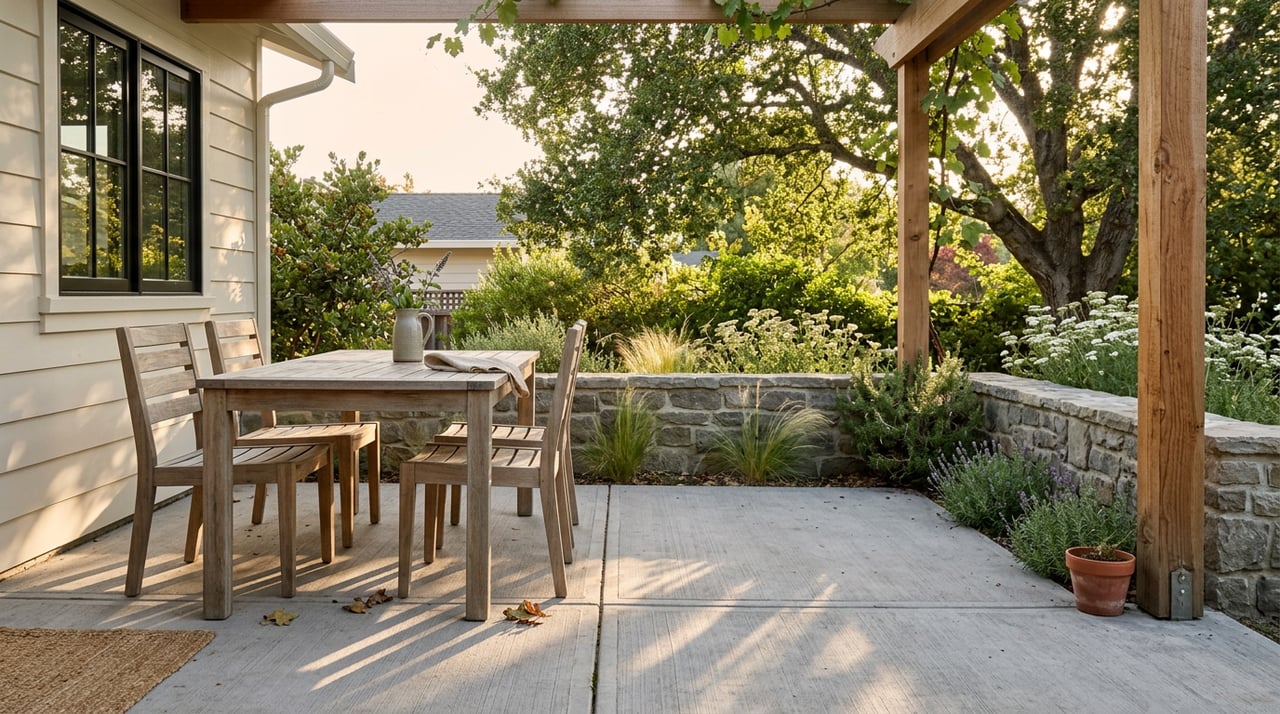
The City’s design guidance also reinforces this outdoor connection. In the downtown district, features like front yards, shade trees, drought-resistant plantings, porches, courtyards, and semi-public outdoor spaces are treated as important parts of neighborhood character. That planning framework helps explain why Sonoma often feels green, open, and people-scaled.
One of the most important things to know about Sonoma is that it does not offer one single residential experience. City planning guidance describes a downtown district that ranges from the dense commercial square at Sonoma Plaza to more spacious residential streets farther out. Even within a relatively compact area, the feel can shift noticeably block by block.
Near the Plaza, the environment is more mixed-use and active. Commercial buildings are generally built close to the sidewalk, which creates a stronger street presence and a more urban feel by Sonoma standards. A few blocks away, residential properties are more often set back with front yards and landscaping.
The area is also described by the City as relatively flat, with wide streets that work for both pedestrian and automobile traffic. That matters in everyday life because it can make local circulation feel easier and more intuitive. If you are comparing homes in different parts of town, that micro-location difference is worth paying attention to.
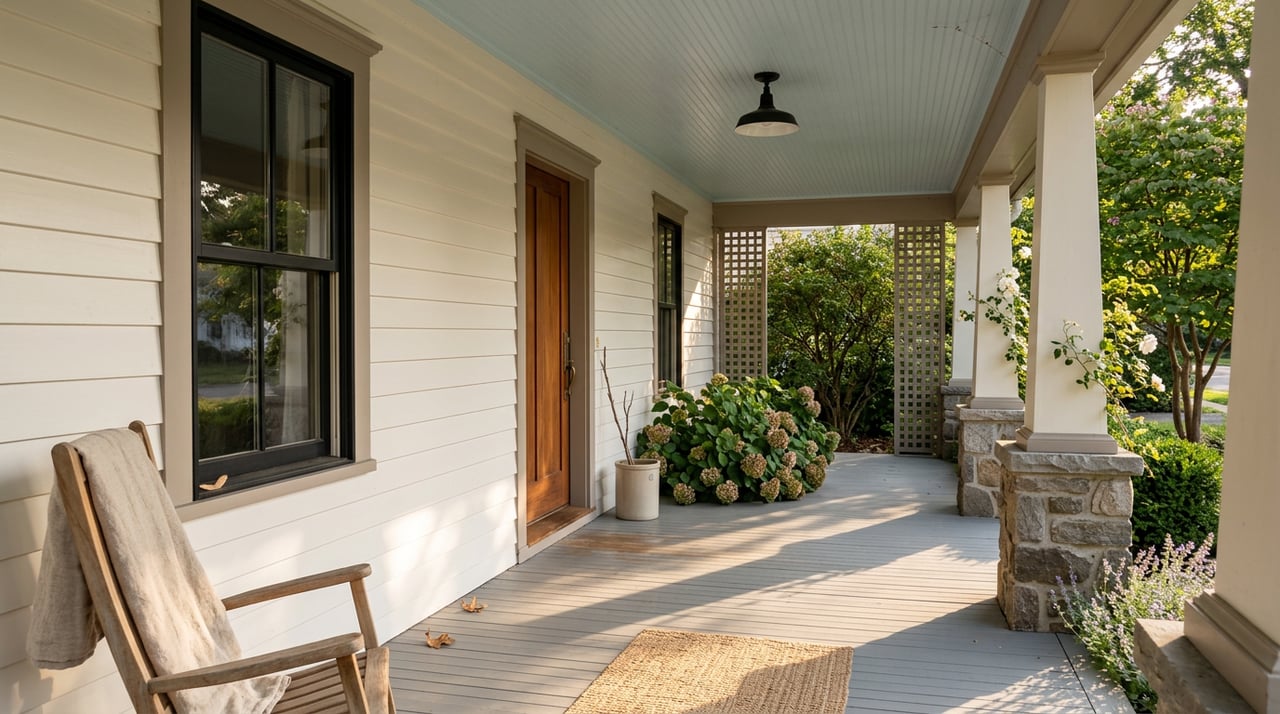
Buyers are often drawn to Sonoma for lifestyle, but the housing stock itself is also part of the story. The City’s historic guidance documents a broad mix of home styles, including Vernacular Cottage, Queen Anne Victorian, Craftsman Bungalow, Spanish Colonial Adobe, Mission Revival, Monterey Colonial, Ranch, and Mid-Century Modern.
That variety means your experience of Sonoma can change quite a bit depending on the street and the home you choose. Some areas may feel more historic and porch-oriented, while others may feel simpler, more spacious, or more mid-century in character. It is one reason home shopping here benefits from local context, not just online photos.
The City also distinguishes between the historic overlay area, the downtown planning district, and non-historic areas. For you as a buyer, that means two homes with similar square footage can offer very different surroundings and day-to-day feel. Understanding that nuance can help you focus on the right fit early.
Living in Sonoma means sharing parts of town with visitors, especially near the Plaza. That is part of what supports the local energy, dining scene, and event calendar. It can also mean more activity during peak times, holidays, and market days.
The City appears to manage that balance intentionally. Special events are held at the Plaza and Depot Park, but the City notes that these events may not exclude the public from the parks. That helps keep public space usable for residents even when the calendar is busy.
City policies also shape the commercial feel of downtown. Sonoma has restrictions and requirements related to formula businesses, and it regulates tasting rooms in the Plaza Retail Overlay Zone by limiting total number and location while requiring a conditional use permit for new tasting rooms. Those rules help support a more local, small-scale character in the core.
For many people, Sonoma offers a daily rhythm that feels both polished and relaxed. You have a historic downtown anchor, regular access to parks and trails, and residential streets that soften quickly once you move away from the busiest blocks. That combination is a big part of Sonoma’s appeal.
It is also a place where tradeoffs matter. A home closer to the Plaza may offer easier access to downtown activity, while a home a little farther out may feel quieter and more residential. Neither is automatically better. It depends on how you want your everyday routine to work.
If you are considering a move here, it helps to look beyond broad labels and pay close attention to street-level feel. In Sonoma, small differences in location can have a big impact on how a home lives day to day.
If you want help understanding which part of Sonoma best matches your lifestyle and priorities, Alexander Goodman offers calm, local guidance for buyers and sellers across Sonoma County.
Stay up to date on the latest real estate trends.
Experience a client-focused approach backed by local knowledge, honest communication, and dedication to your success.